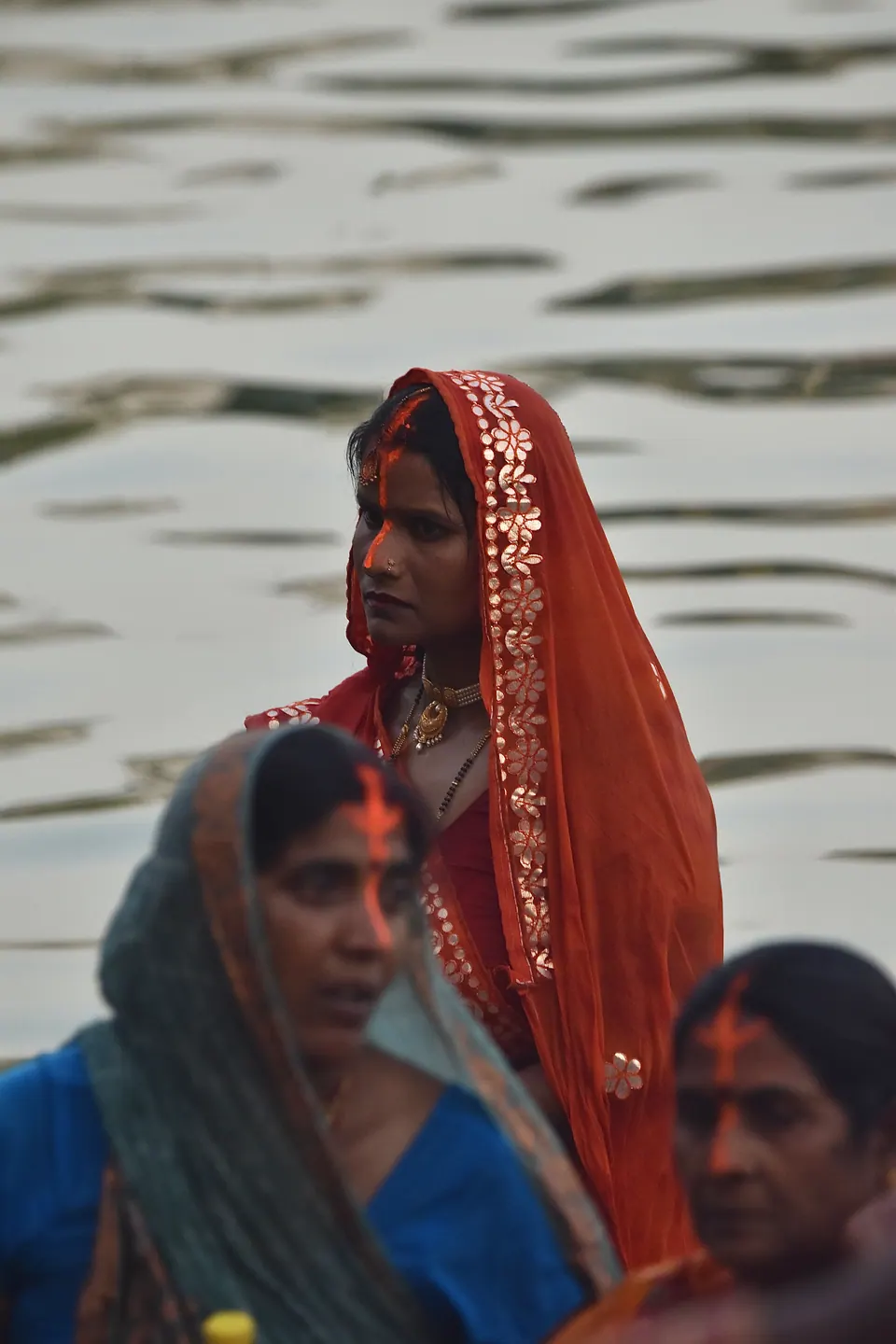
Nepal’s landscapes are also working, spiritual and cultural places. These journeys are built around living knowledge rather than staged cultural display.
Living traditions and cultural expeditions
In Dolpo, Mugu or Dhorpatan, high-altitude communities migrate to spring pasture to search for yarshagumba, the caterpillar fungus that shapes a temporary tent economy. In the Annapurna and Lamjung foothills, Gurung honey hunters descend handmade rope ladders on sheer cliffs to gather honey from Himalayan giant bees.
Along the Karnali, Sonaha and Bote communities have traditionally used wooden sluices and pans to find fine gold in river sediment. In Kanchanpur and Kailali, Rana Tharu longhouses and the historic godhna tattoo tradition carry identity and protection through generations.
The Raute remain Nepal’s last nomadic hunter-gatherer community, known for hand-carved wooden vessels exchanged for grain. In Upper Mustang and Dolpo, Amchi practitioners maintain Sowa Rigpa medicine, walking high country for herbs and reading the body through pulse diagnosis.
These experiences depend on relationship and consent. They are not guaranteed performances or drop-in attractions. A responsible plan begins with the community’s terms, timing and willingness to host.