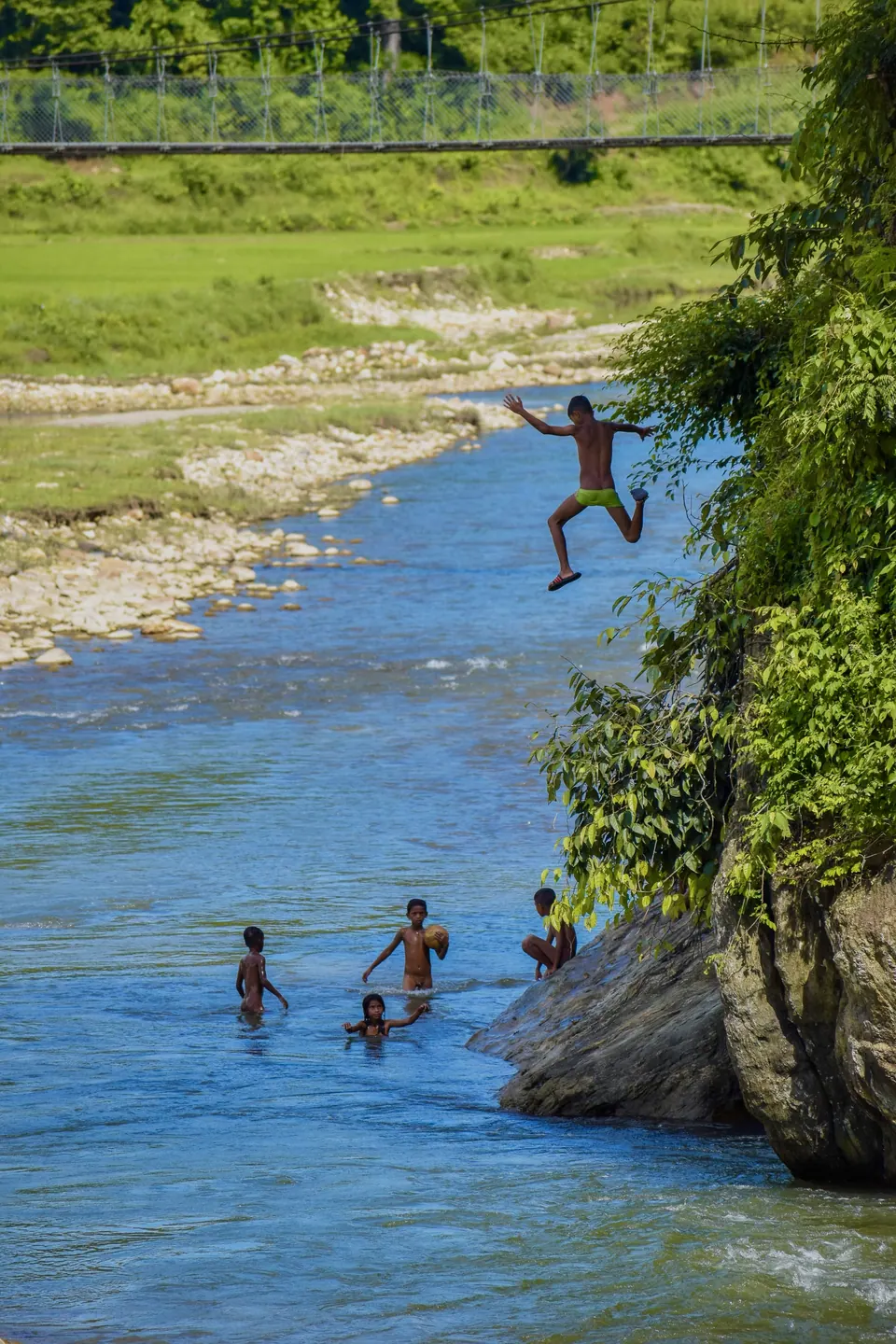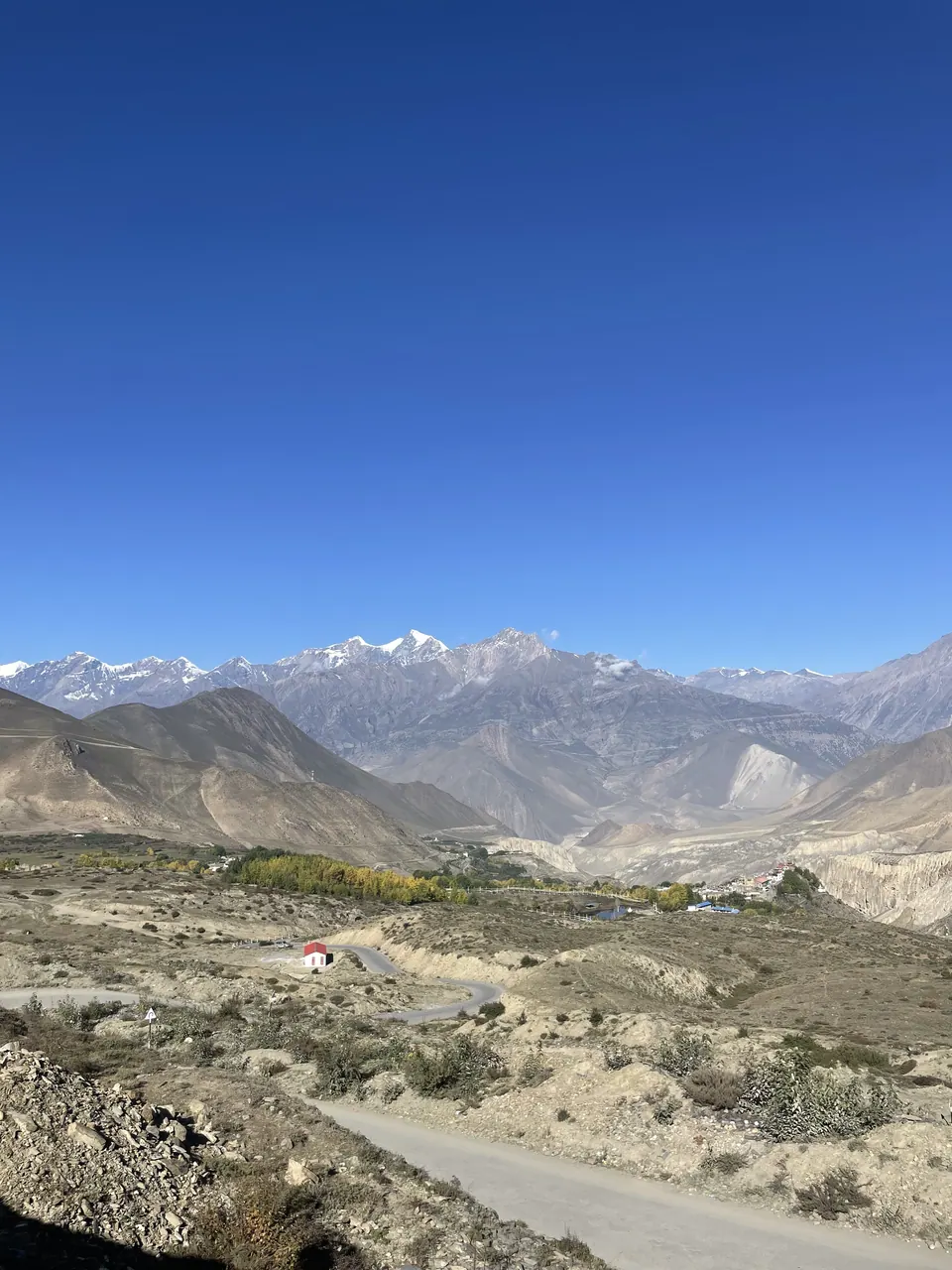
At about 822 metres below the Annapurna massif, Pokhara combines open valley landscapes, freshwater lakes, limestone caves and immediate proximity to peaks including Machhapuchhre, Annapurna I and Dhaulagiri. It is both a peaceful base and the main gateway for many western Nepal treks.
Lakes and high viewpoints
Phewa Lake anchors the city, with Tal Barahi Temple on its island and views toward Machhapuchhre. Begnas and Rupa, east of the centre, are quieter freshwater landscapes with farming, wetlands and birdlife. Sarangkot is known for sunrise and paragliding; the World Peace Pagoda and Pumdikot provide broad perspectives back across lake, city and mountains.
Beneath the surface
Davis Fall disappears into a subterranean channel opposite Gupteshwor Mahadev Cave. Farther north, Mahendra Cave and Bat Cave reveal Pokhara’s limestone geology. The Seti River cuts narrow, deep gorges directly through the city, visible from bridges while much of the water remains hidden below.
The International Mountain Museum connects the surrounding geology and expedition history with the cultures, flora and fauna of the Himalaya.