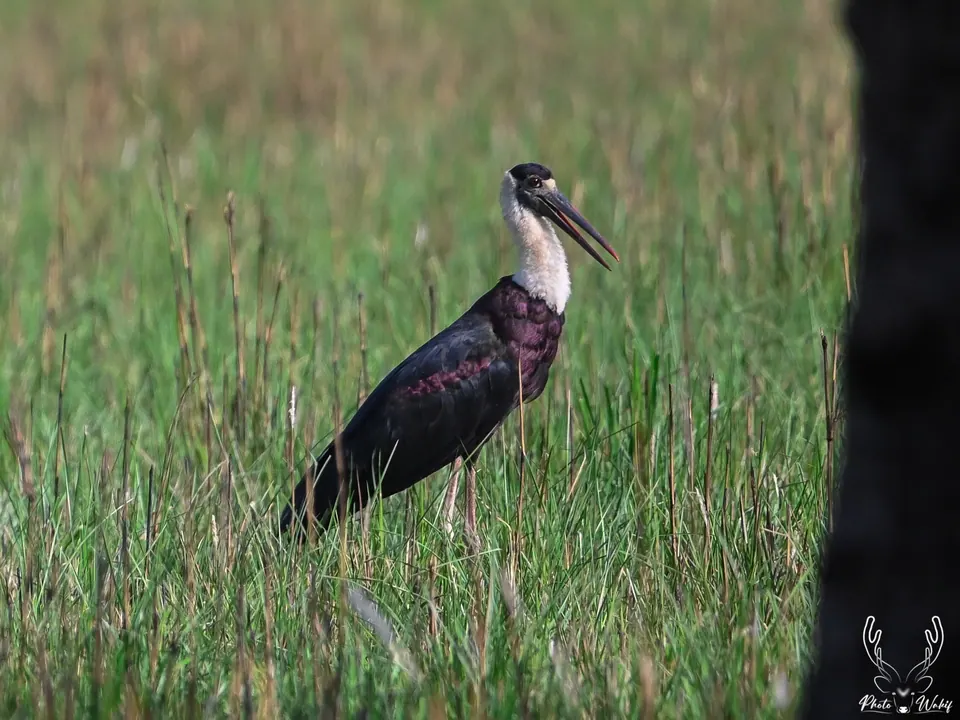
Where the Koshi River spreads through grassland, marsh and shifting channels, Koshi Tappu protects Nepal’s last natural population of wild water buffalo, known locally as arna. The reserve also supports Gangetic dolphins, wild boar, deer, crocodilians and a remarkable mix of resident and migratory birds.
As Nepal’s first Ramsar site, Koshi Tappu is especially important along a major Asian flyway. From October to March, winter visitors join the reserve’s resident birdlife across mudflats, oxbow lakes and reed beds.
Ways to experience Koshi Tappu
Guided birding on foot or by jeep focuses on the wetlands and seasonal waterfowl. Gentle floats on Sapta Koshi channels reveal feeding birds, sandbars and the wider river ecosystem. Jeep safaris and guided walks search grasslands for arna, nilgai, wild boar and deer. Sunrise, reflected light and the Koshi Barrage at sunset make the reserve particularly rewarding for photographers.
Riverside expedition camps may be established on sandy banks during suitable rafting journeys. Nearby Tharu and Jha settlements add local architecture, craft and community life to the wetland story.
Reaching the reserve
Fly from Kathmandu to Biratnagar, then continue roughly 50 km by road toward Kusaha/Nahar Chowk. Overland buses toward Biratnagar or Itahari can drop travellers near Nahar Chowk, where local transport or a lodge transfer completes the journey.